The structure of the evening schedule
The evening at a European theme park with a full holiday programme is not simply an extension of the daytime. It has its own structure, pacing, and programming logic. The transition from day to evening is typically marked by a change in the entertainment mix — daytime roaming characters or ambient music give way to staged shows, illumination events, or pre-show crowd-gathering activities.
Parks with well-developed evening programmes often structure the schedule so that there is a clear sequence: a dusk moment (when the park lighting shifts), a mid-evening anchor show (typically the most significant entertainment of the evening), and a closing event — often fireworks or a light show — that signals the end of the evening session and begins the exit flow.
Show timing and placement
The timing of shows within the evening schedule is not arbitrary. Parks make deliberate decisions about when to run each show based on several factors: the expected crowd distribution across the park at that time, the need to move guests toward the show arena without creating bottlenecks, and the desired pacing of the guest's emotional experience through the evening.
Shows positioned too early in the evening may compete with guests still active on rides. Shows positioned too late may occur after some families with young children have already left. The sweet spot for a major evening show is typically one to two hours after the start of the extended evening session, giving the crowd time to settle and gather.
Types of evening shows at European parks
European parks use a range of show formats in their evening programmes. Outdoor stage performances are the most common: a fixed stage in a central plaza or dedicated amphitheatre hosts music, acrobatics, or theatrical performances at set times. These shows draw a seated or standing audience of known capacity and are repeatable across the season.
Projection mapping shows use park architecture as a canvas for video displays synced to music. These require no performer management and can run multiple times per evening. The audience experience is typically informal — guests watch from anywhere within a defined viewing zone.

Fireworks finales are the most operationally complex element of the evening programme. They require coordination with local authorities, noise management planning, and precise timing relative to the show schedule. Parks that include fireworks typically limit them to peak weekends and special holiday nights rather than running them every evening.
Seasonal variation in show schedules
Evening show schedules vary significantly by season. Summer peak programming — running during school holidays in July and August — typically features the fullest show schedule: daily performances, fireworks on peak nights, and the widest range of entertainment. Autumn and winter seasons have shorter daylight hours, which changes the timing of when the evening programme begins but also opens opportunities for different atmospheric experiences.
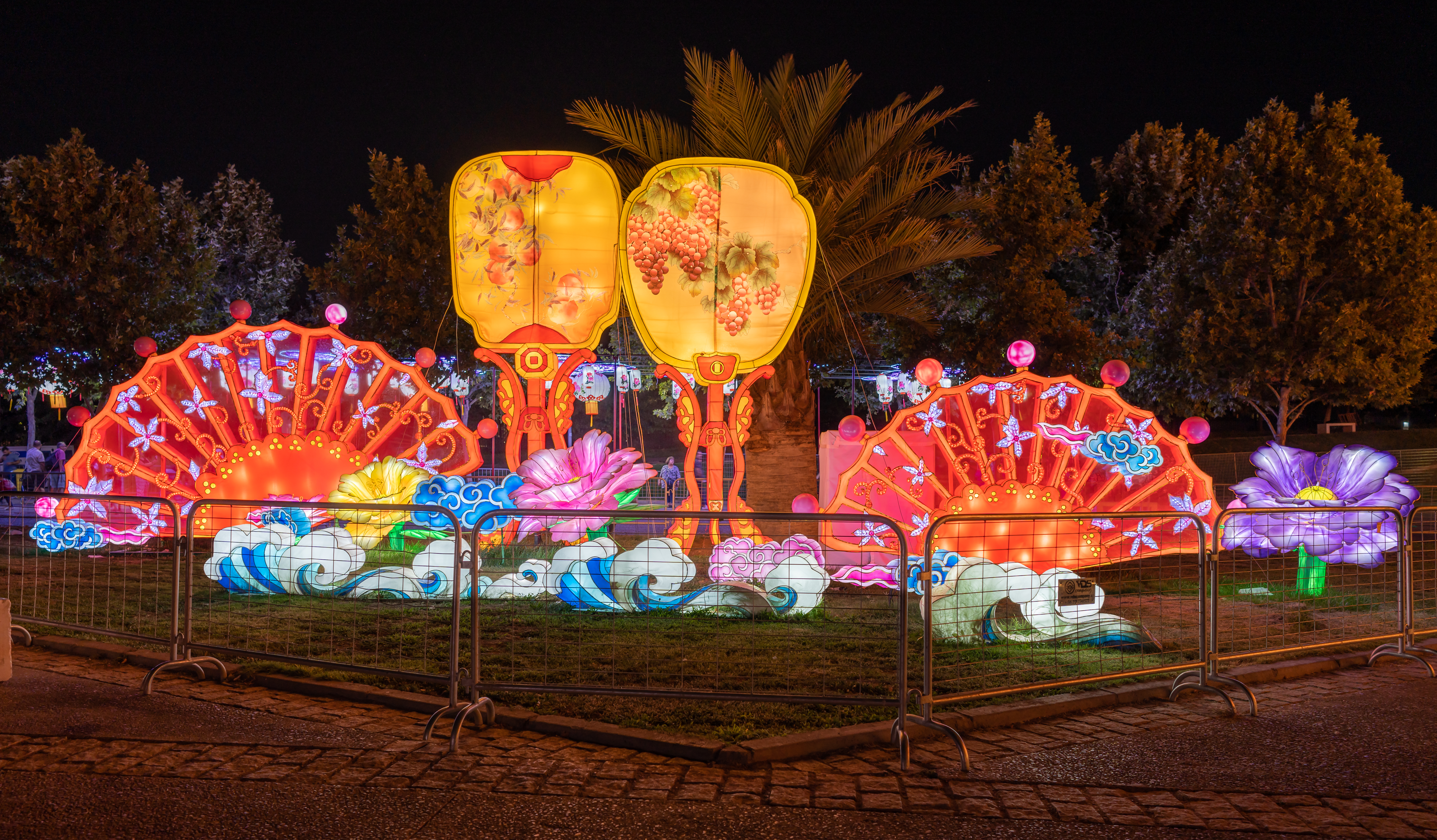
Winter illumination seasons, for example, begin the evening atmosphere much earlier in the day — from around 4pm in December in Northern Europe — which effectively extends the "evening" portion of the guest experience significantly.
Operational notes on evening show management
Running an evening show programme requires specific operational capacity. Performers must be contracted, rehearsed, and scheduled across the season. Technical infrastructure — sound systems, lighting rigs, projection equipment — must be maintained and operated. Safety management for crowd gathering around show areas is a distinct operational discipline from standard attraction management.
Parks that run strong evening programmes invest in permanent show infrastructure: fixed-audience amphitheatres, power connections, and weather protection for technical equipment. This investment reflects the commercial value of the evening experience in driving overall guest satisfaction.
- Specific show times, locations, or schedules at any individual park
- Performer names, production companies, or creative credits
- Ticket pricing or booking requirements for evening events
- Safety assessment or recommendations regarding show viewing areas
- Parks outside the European context